

BUSINESS SYSTEM
Custom Business System Development in Singapore
ADSM develops custom business systems for Singapore SMEs to manage records, users, approvals, reports and operational workflows in one place.
BUSINESS PROBLEM
Daily operations become messy across too many tools.
When records sit in spreadsheets, chat groups, and emails, teams spend more time searching than working.
01
Scattered information
Important records are hard to find and update consistently.
02
Manual coordination
Staff depend on reminders, messages, and repeated checking.
03
Weak reporting
Managers cannot easily see progress, status, or bottlenecks.
SOLUTION OVERVIEW
Business workflow automation around your operations.
We design business systems around your actual process, with the right modules, roles, records, and reports.
01
Centralise records
Keep customer, project, order, document, or operational data in one system.
02
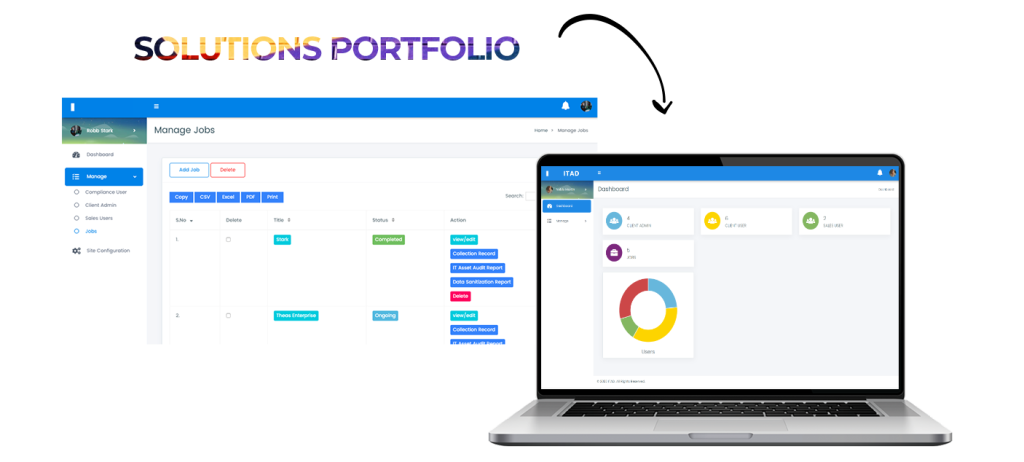
Control workflow
Use status, assignment, approval, and notification flows.
03
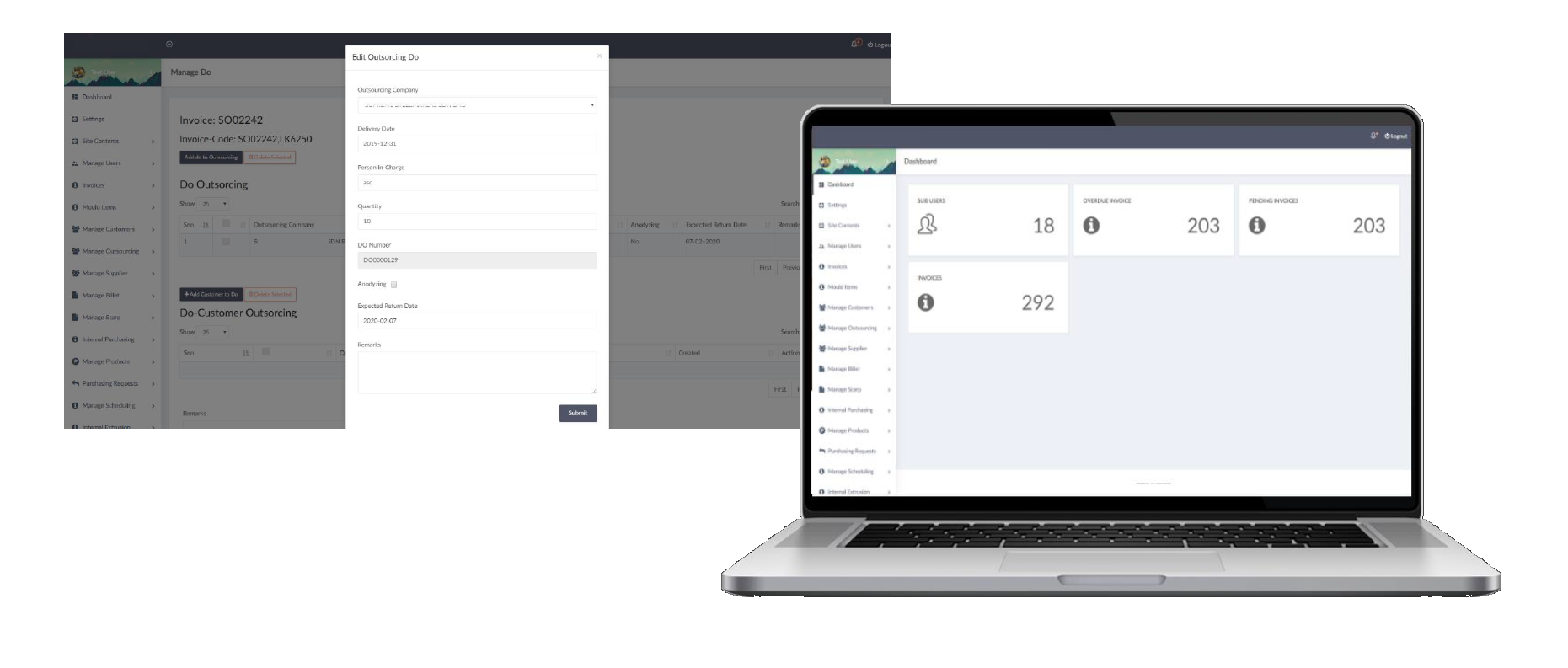
Improve visibility
Create dashboards and reports for daily management.
KEY FEATURES
Business system features.
The system can be planned module by module.
01
User roles
Admin, manager, staff, customer, vendor, or auditor access.
02
Workflow status
Track requests, jobs, cases, documents, or orders.
03
Approval flow
Support internal review and approval steps.
04
Dashboards
Give managers quick visibility into important records.
05
Reports
Generate summaries from business activity.
USE CASES
Business system use cases.
Useful when off-the-shelf tools cannot match the process.
01
Operations portal
Manage work orders, tasks, and status updates.
02
Customer records
Centralise customer details and history.
03
Document workflow
Track submitted files and approvals.
04
Vendor management
Collect vendor documents and updates.
05
Project tracking
Monitor project progress and responsibilities.
06
Management reporting
See activity, status, and bottlenecks more clearly.
Plan the system around the work it needs to manage
A custom business management system is useful when your records, approvals and reporting need to follow a specific operating process. ADSM can scope one module first and define how it should connect to the systems you already use.
Sales and customer records
Manage enquiries, account history, assignments and follow-up stages. A CRM workflow is a suitable starting point when the main problem is tracking customer interactions.
Orders and operations
Map purchase requests, approvals, orders, stock movements or work orders. Identify which records belong in the existing accounting, ERP or warehouse system before adding another source of data.
Documents and approvals
Define submission requirements, review steps, document versions and access permissions. Explore ADSM’s published project examples for existing workflow scope.
Example: a purchase request through to management reporting
A staff member submits a request, an authorised manager reviews it, and the approved record moves to the purchasing team. Status changes, supporting documents and the responsible person remain attached to the record. A dashboard can then show pending approvals and outstanding work. This is an illustrative workflow; the rules and integrations are defined for each project.
Prepare a practical brief: share your current spreadsheet or form with sensitive information removed, user roles, approval rules, required reports, existing systems and first-launch priorities. Data migration, API access, testing, training and support should be included in the agreed scope.
For equipment data and factory workflows, explore Industrial AI & Automation with ADSM and HAFISO. For other custom interfaces and portals, see web application development.
PROCESS
Business system project flow.
We build the first version around the highest-impact workflow.
01
Understand the workflow
We review your daily operations, user roles, data flow, and management goals.
02
Plan the first version
We define a practical system MVP around the workflows your team needs first.
03
Build and test
We build the business system and test it with real operational scenarios.
04
Improve after launch
We refine modules, reports, permissions, and automation based on team usage.
FAQ
Business System FAQ.
Common questions about custom business systems.
Can it match our internal process?
We map your existing process, roles and exceptions before defining the modules. If a standard product already meets the requirements, configuration or integration may be a more practical starting point.
Can we start small?
Yes. Define one priority workflow, its required records and a clear acceptance test. Additional modules can be planned after the first version has been reviewed by the team.
Can it include approvals?
Approval routes can be designed around roles, values or record types. The project should define who can submit, approve, return or change a record, and what history needs to be retained.
Can AI be added later?
AI features can be considered when the system has suitable data, access controls and a clear use case. Generated summaries or recommendations should be reviewed where decisions require human judgement.
Business systems support ADSM Tech’s AI direction by creating structured workflows and data that can later be automated.
READY TO IMPROVE?
Need a cleaner way to manage operations?
We can help map your workflow and plan a practical business system.