

A warehouse inventory tracking system records what stock is held, where it is located and how it moves through receiving, storage, picking and dispatch. For a Singapore SME, reliable visibility means sales and operations can work from the same stock position instead of checking separate spreadsheets or calling the warehouse for every enquiry.
Real-time visibility is not automatic accuracy. If a movement is not scanned, the wrong unit is recorded or a system connection fails, the displayed balance can be wrong. The software needs a consistent process on the warehouse floor and a way to investigate exceptions.
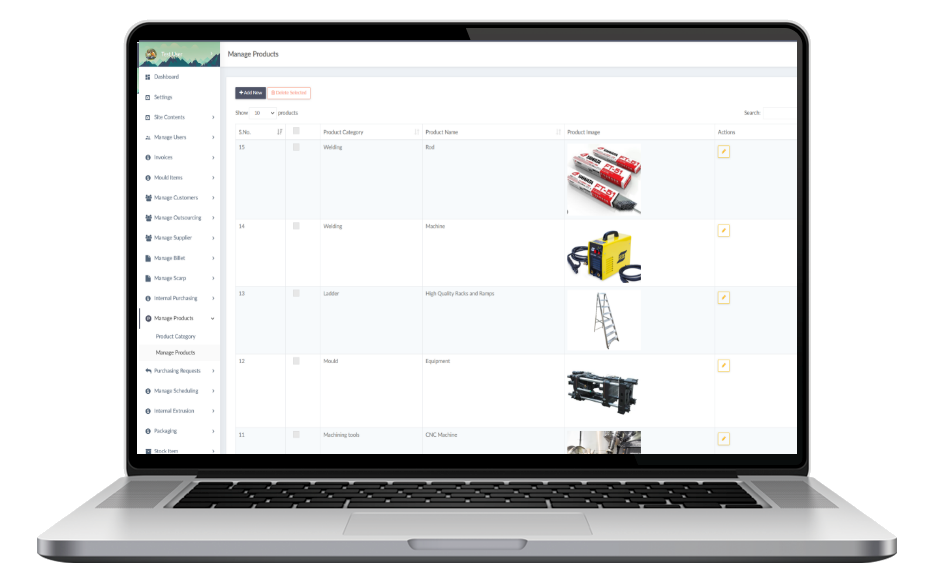
Record each stock movement at the point of work
Agree which events change the inventory record and who is responsible for recording them. A useful starting sequence is receiving, put-away, transfer, picking, dispatch and returns. Record adjustments separately, with a reason and the person who approved them.
Each event should identify the item, quantity, unit of measure, location and time. Where the business needs traceability, include the relevant batch, serial number or expiry date. GS1 describes event-based visibility through information about products, location, timing and business context. This is a useful way to evaluate the records your own process needs; it does not mean every SME must implement the full standard.
Separate physical stock from stock available to promise
A quantity on a shelf may already be reserved for another order, awaiting inspection or damaged. Treat those states separately so a salesperson does not promise stock that cannot be dispatched.
For example, 100 units on hand with 30 reserved and 10 quarantined leaves 60 available, assuming the categories do not overlap. The rules must be consistent between the warehouse system, sales orders and any connected ERP. Confirm how partial deliveries, cancelled orders and customer returns affect each balance.
Prevent small data errors from spreading
- Use one SKU record per item and agree how cartons, packs and individual units convert.
- Label storage locations consistently and confirm transfers into and out of each location.
- Schedule cycle counts and investigate differences instead of repeatedly overwriting the balance.
- Show failed or delayed synchronisation so staff know when a connected system may be out of date.
Barcode scanning can reduce manual entry, but it cannot correct a mislabeled item or a skipped transaction. Include damaged labels, partial picks and connection interruptions in the pilot, not just the normal receiving process.
Choose reports that lead to action
Review stock discrepancies, pick errors, overdue receipts, slow-moving items and orders waiting for stock. Give each exception an owner and a next step. If a business operates across more than one Singapore site, check that reports distinguish physical locations from stock that is still in transit.
Measure inventory accuracy with a consistently defined counting method, and track the time spent investigating discrepancies. Faster screens are useful, but fewer corrections and more reliable fulfilment are stronger evidence that the workflow is improving.
Add forecasting and automation only where justified
Demand forecasting, sensors and automated picking are separate capabilities, not features to assume in every WMS package. Forecasts depend on the quality of sales history and can be affected by unusual orders or changing demand. A sensible first phase may be accurate stock records and a reliable receiving-to-dispatch process.
Scope a warehouse system around your actual workflow
ADSM can discuss a warehouse management system around your stock records, movement process and reporting needs. Bring a sample item list, location structure and examples of the transactions that cause the most rework. Confirm required integrations, devices, user permissions and exception handling before agreeing the implementation scope.
For distributor and engineering businesses evaluating the wider process, our AI automation guide for distributors and engineering companies covers related workflow opportunities. Inventory tracking should provide dependable operational records before further automation relies on them.